
Second-Home And Rental Strategy For Carolina Beach Buyers
May 21, 2026
May 21, 2026
Thinking about buying in Carolina Beach because you want both a personal escape and a property that can help carry its costs? That goal is realistic, but only if you buy with a clear plan. In this market, the best second-home and rental strategy comes down to seasonality, local rules, true operating costs, and how well the home works for both you and your guests. Let’s dive in.
Carolina Beach can be a strong fit for second-home buyers who also want rental income, but this is not a market where you want to wing the numbers. The warm-weather cycle is a big part of the story, with Wilmington climate normals showing average highs around 87°F in June, 90°F in July, and 88.3°F in August.
That usually supports a summer-heavy revenue plan. It also means you should build your expectations around stronger peak-season use, not perfectly even demand all year.
Hurricane season matters too. The Atlantic hurricane season runs from June 1 through November 30, with peak activity from mid-August through late October.
If you are underwriting a Carolina Beach purchase, it is smart to plan for weather-related interruptions and keep reserves for possible disruptions. A property can still be a great fit, but your numbers should reflect coastal reality.
The best Carolina Beach second homes usually solve two problems at once. They need to feel easy and enjoyable for your own stays, and they need to function smoothly for paying guests.
That sounds obvious, but many buyers focus too much on views or finishes and not enough on everyday usability. In a beach market, convenience can make a real difference in guest satisfaction and repeat bookings.
Off-street parking is one of the most practical advantages you can buy in Carolina Beach. Town parking is paid from March 1 through October 31, from 9 a.m. to 8 p.m., and weekly visitor passes cost $100.
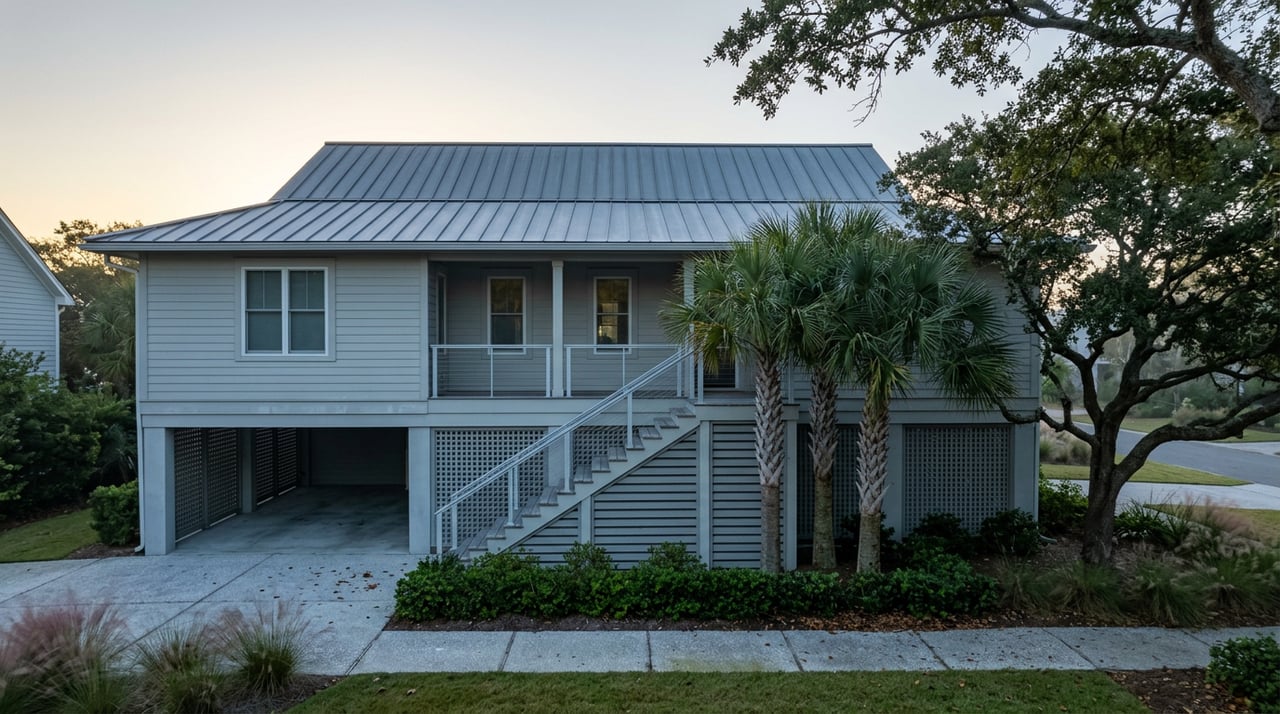
That means a driveway, garage, or dependable guest parking setup is more than a nice extra. It can improve the guest experience, reduce friction, and make your property easier to market for families or groups traveling with more than one vehicle.
If you want a pet-friendly rental, Carolina Beach can support that plan, but only if your house rules match local ordinances. Dogs are not allowed on the boardwalk or in the boardwalk business district.
Beach access for dogs is also seasonal. From April 1 through September 30, leashed dogs are allowed before 9 a.m. and after 5 p.m., and from October 1 through March 31 they are allowed all day.
A pet-friendly listing can attract demand, but your rental policy should be clear from the start. That helps set guest expectations and protects you from preventable issues.
Guest experience is not just about the property itself. Carolina Beach also has beach and strand rules that shape how people use the area.
The town prohibits alcohol and glass on the strand, bans overnight camping and open fires, and requires a 10-foot emergency lane along the dune line. These are normal local operating realities, but they should be reflected in your guest messaging and welcome materials.
If you are considering a condo or any property in an HOA, recorded documents deserve the same attention as price and location. In North Carolina, condominium and planned-community associations can adopt and amend bylaws, rules, and regulations, and the declaration is enforceable.
For condos, the declaration prevails over the bylaws if the two conflict. That is why it is important to review the declaration, bylaws, rules, rental minimums, and any fine schedule before you make an offer.
This step can save you from buying a property that looks perfect online but does not fit your intended use. For a second-home and rental buyer, that review is not optional.
In North Carolina, a vacation rental is generally defined as a rental of fewer than 90 days. State law requires a written vacation rental agreement.
That means your strategy should include more than just finding the right home. You should also think ahead about guest instructions, management systems, turnover workflow, and contract review.
Carolina Beach’s current fee schedule lists short-term rental registration at $25 per year. Even so, you should verify the filing process and whether any additional permits or notices apply to the property before closing.
A smart rental strategy starts with realistic expenses, not optimistic income. Before you write an offer, it helps to build a local cost model based on current county, town, and state information.
For fiscal year 2025-2026, New Hanover County set its property tax rate at 30.6 cents per $100 of assessed value. Carolina Beach set its municipal rate at 14.17 cents per $100.
Those numbers should be part of your hold-cost calculation. Use current tax rates when underwriting rather than relying on older figures.
Utilities are another important local cost bucket. Carolina Beach states that service can be set up only for an owner or for a tenant with a lease of at least six months, and the town does not accept month-to-month leases or short-term renters for service setup.
For fiscal year 2025-2026, water is $24.89 for the first 3,000 gallons, then $7.02 per 1,000 gallons. Sewer is $44.99 for the first 3,000 gallons, then $11.92 per 1,000 gallons, and stormwater is $19.13 per equivalent residential unit.
The town also notes that water and sewer bills are due by the 15th of each month, and refuse and recycling are billed with stormwater. These may seem like small line items at first, but they matter when you are building a realistic operating budget.
Short-term rental income comes with recurring admin responsibilities. New Hanover County states that taxable accommodations in the county are subject to room occupancy tax, and the county page lists Carolina Beach at 6%.
Monthly sales reports are due by the 20th day after the reporting month. Before you assume net income, confirm the filing setup for the specific property and how you plan to handle reporting.
North Carolina law allows a cleaning fee if it is stated in the vacation rental agreement. The law also treats most non-tax, non-rent collections as security deposits subject to state rules.
That is one reason many buyers benefit from setting up a professional operating system from the beginning. Whether you plan to self-manage or build a more structured process, the paperwork side should be part of your purchase decision.
In a coastal market, flood risk should be reviewed before you get emotionally attached to a property. Carolina Beach states that updated preliminary flood insurance rate maps were issued, and both current and preliminary maps are available through the North Carolina Flood Risk Information System.
The town also says that 98% of its elevation certificates on file are posted online. That creates a useful starting point for due diligence when you are comparing homes.
Flood-related costs can affect cash flow and long-term comfort with the purchase. It is much better to evaluate that early than to treat it as a last-minute surprise.
If the seller already has bookings on the calendar, that can affect your timing and first-season plans. North Carolina law requires disclosure of rental periods before sale.
A buyer can also take title subject to an existing vacation rental agreement if the rental ends within 180 days of recording. That means existing reservations may influence occupancy, closing timing, and how soon you can use the home yourself.
For second-home buyers, this is a major strategy point. A property with bookings may offer near-term income, but it may also limit your immediate flexibility.
Before making an offer in Carolina Beach, ask a few simple but important questions:
This kind of filter helps you avoid buying something that looks great in listing photos but does not perform the way you need it to. In Carolina Beach, the details matter.
The strongest second-home and rental strategy is usually not flashy. It is a property that fits your personal lifestyle, offers practical guest convenience, aligns with local rules, and carries realistic numbers.
In Carolina Beach, that often means prioritizing parking, checking flood exposure early, reviewing HOA restrictions carefully, and planning around a summer-heavy rental cycle. When you get those fundamentals right, you put yourself in a much better position to enjoy the home and operate it with fewer surprises.
If you want help evaluating Carolina Beach properties with both lifestyle and rental performance in mind, Maxx Jackson can help you buy with a clear, local strategy.
Stay up to date on the latest real estate trends.

Success isn’t a coincidence — it’s the result of doing things right from start to finish. Whether you’re buying, selling, or investing in Wilmington or Wrightsville Beach, Maxx offers a streamlined, results-driven experience that puts you first. This is real estate done right.