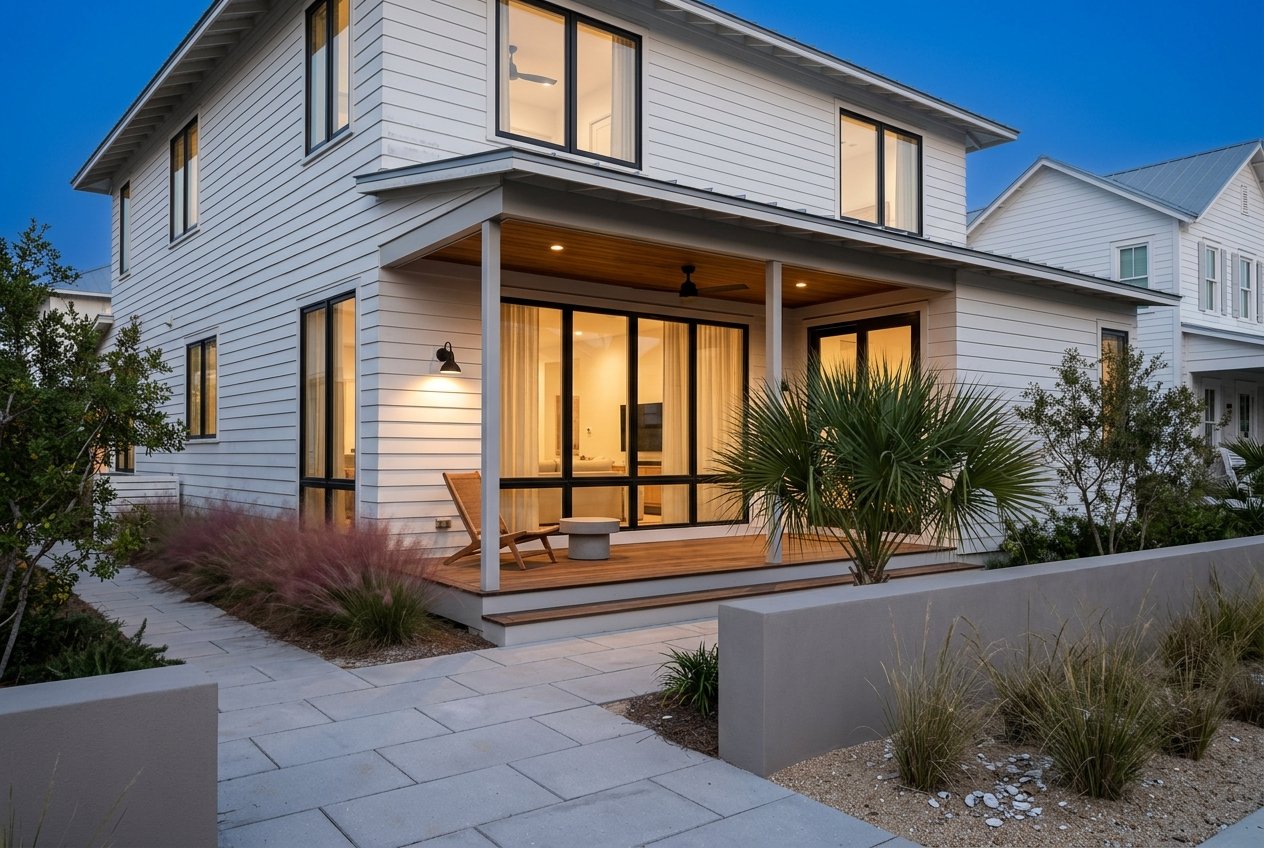
Life At Wrightsville Beach: From Sunrise To Nightlife
April 2, 2026
April 2, 2026
If you are thinking about living at Wrightsville Beach, the biggest surprise is how much life fits onto one small island. You get sunrise over the Atlantic, a daily routine built around the water, and enough dining and nightlife to keep evenings fun without feeling city-heavy. If you want to understand what day-to-day life here really feels like, this guide will walk you from first light to last call. Let’s dive in.
Wrightsville Beach is a small barrier-island town in eastern New Hanover County, about 10 miles east of downtown Wilmington. It is bordered by the Atlantic Ocean, the Intracoastal Waterway, and tidal marshes, which gives everyday life a strong connection to the water.
The scale is part of the appeal. Official town and regional sources place the year-round population at roughly 2,500 residents, while peak-season daily visitor counts can climb above 30,000. That mix creates a place that feels compact and local in the quieter months, then much more active during the busy season.
Compared with Wilmington and Carolina Beach, Wrightsville Beach has a distinct rhythm. It feels more surf- and water-sport-oriented than either one, less urban than Wilmington, and less boardwalk-driven than Carolina Beach.
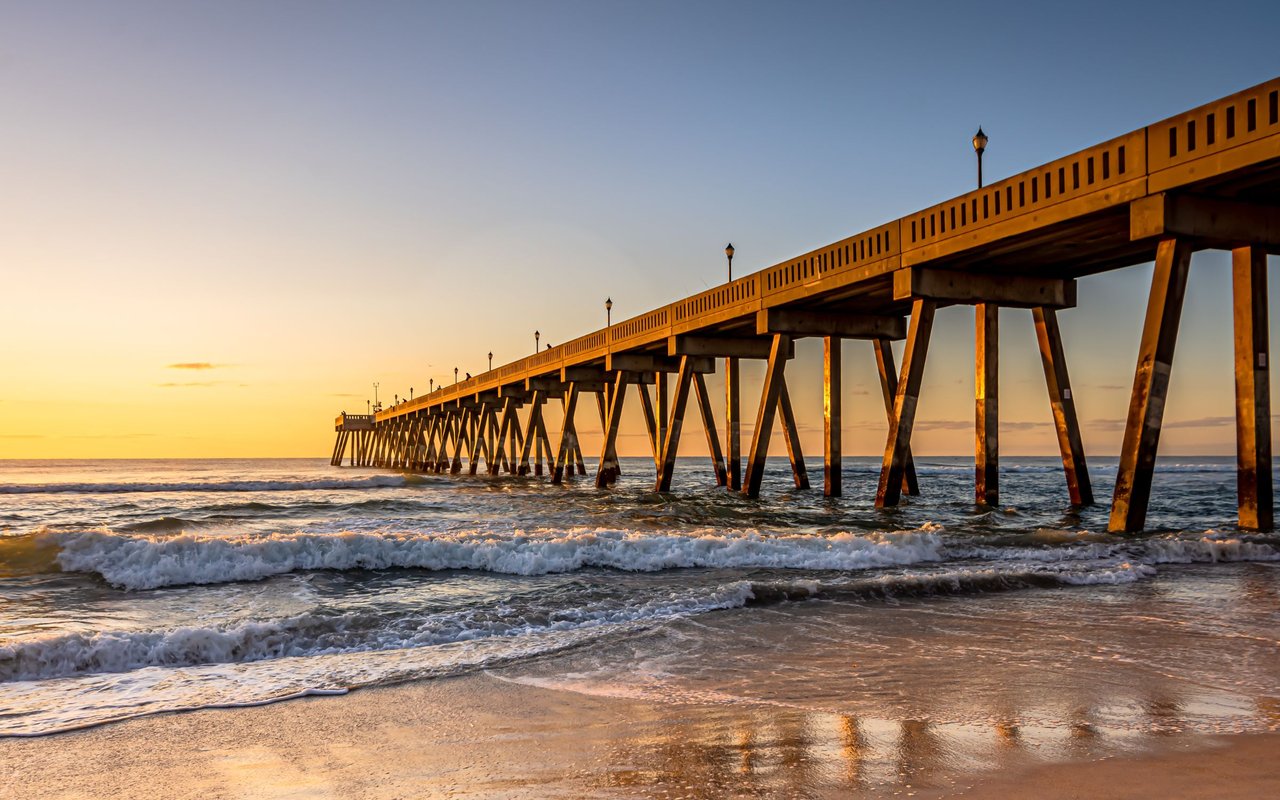
One of the biggest lifestyle perks here is simple: the morning starts beautifully. Because the island runs north to south, Wrightsville Beach is one of the few coastal spots where you can watch sunrise over the Atlantic and sunset over the sound, according to official tourism materials.
That shapes how many people use the island. Early mornings often mean coffee near the water, a walk on the sand, or time spent watching the ocean before the day gets busy. The local tourism site even highlights coffee shops near the beach as part of the classic Wrightsville Beach routine.
If you are looking for a place where mornings feel like part of the lifestyle, not just the start of your workday, this is one of Wrightsville Beach’s strongest selling points.
Wrightsville Beach has deep surf roots. Official tourism pages describe it as the birthplace of surfing in North Carolina, and that history still shows up in the island’s daily pace, local businesses, and overall culture.
You do not need to be an expert surfer to fit in here. The area is known for surf shops, lessons, and board rentals, which makes it easy to participate whether you live here full time, use a second home seasonally, or are simply exploring the lifestyle before you buy.
The water options also go beyond surfing. According to official Wrightsville Beach tourism resources, daily recreation commonly includes stand-up paddleboarding, sailing, kayaking, and time on the sound or Intracoastal Waterway.
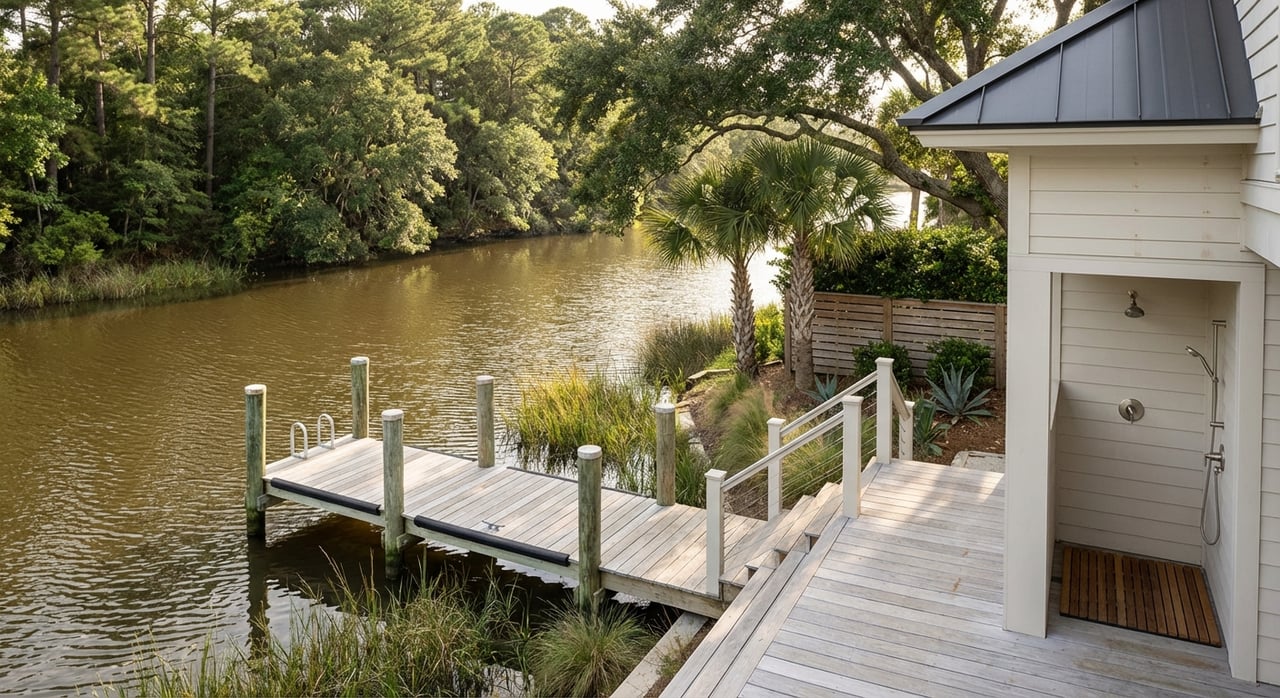
For buyers, that matters because the lifestyle is not limited to oceanfront living. Sound-side access, marina proximity, and easy launch points can all shape how a property fits the way you want to live.
Wrightsville Beach makes it easy to stay active without overthinking it. Beyond the beach itself, one of the island’s most used features is the John T. Nesbitt Loop, an approximately 2.45-mile paved walking and jogging trail around the heart of town.
The town says the Loop is used daily by thousands of residents and visitors. That gives you a dependable option for walking, jogging, or getting outside, even when you are not heading straight to the sand.
This is one reason people often describe the area as a place where the lifestyle feels healthy and outdoors-focused. You are not forcing recreation into your schedule. It is simply part of the environment.
For a barrier island, Wrightsville Beach is notably accessible. The town maintains 44 public beach access locations, along with four public restrooms, a restroom at Wrightsville Beach Park, and seven ADA-accessible ocean access points.
Beach access itself is free, which is an important detail. For residents and visitors alike, that means getting onto the beach is straightforward, even though parking becomes a bigger factor during the warmer months.
If you are comparing coastal communities, this level of access is worth noting. It supports the kind of everyday use that turns the beach from a special occasion into part of your routine.
The lifestyle at Wrightsville Beach changes with the calendar. The town operates more than 1,600 metered public parking spaces, and paid parking is in effect daily from March 1 through October 31, according to the official island FAQ.
That practical detail has a real effect on daily life. In peak season, the island feels more managed, more active, and more crowded. In the off-season, it feels calmer, more local, and easier to navigate.
This seasonality is important if you are considering a primary home, second home, or investment property. Wrightsville Beach offers a true coastal routine, but it also operates with a resort-town rhythm rather than a city rhythm.
By the middle of the day, Wrightsville Beach is fully in motion. Depending on your routine, that can mean beach time, boating, paddleboarding, or kayaking around the sound and Intracoastal Waterway.
For people who want easy access to natural coastal spaces, Masonboro Island Reserve is another standout feature. Official tourism pages note that this destination is accessible only by boat, kayak, or canoe, which adds to the area’s appeal for buyers who prioritize water access and outdoor recreation.
This is where Wrightsville Beach separates itself from a typical beach town. It is not just about laying out on the sand. The water is part of daily living in several different ways.
The dining scene at Wrightsville Beach is compact, but that is part of its charm. It is more waterfront-oriented than dense, with many of the best-known spots tied to ocean, marina, harbor, or sound views.
Official tourism pages highlight restaurants such as Oceanic, Bluewater Waterfront Grill, Dockside, The Bridge Tender, EAST Oceanfront Dining, and Shark Bar and Kitchen. The common thread is clear: food and drinks here are closely tied to the setting.
That creates a different experience from a larger city dining scene. You are not getting block after block of options. You are getting a smaller collection of familiar places where the water stays part of the atmosphere.
Shopping at Wrightsville Beach fits the same overall pattern. It is casual, local, and connected to beach life rather than built around a major retail district.
Official tourism content points to coffee shops, surf shops, and local retail stops as part of the island experience. It also notes that Redix has served the beach since 1969, which speaks to the area’s long-standing local character.
For many buyers, that is a plus. The island does not try to feel overly built up. It keeps a smaller-scale identity that matches the beach setting.
If you are wondering what happens after dark, Wrightsville Beach does have nightlife, but it is not club-centered. The feel is more about waterfront drinks, lounges, and live music than a big-city late-night scene.
Official tourism materials describe a year-round social scene with venues such as Oceanic, Bluewater, King Neptune’s Pirate Lounge, Flying Machine Oyster Bar, Palm Room, and Jimmy’s at Wrightsville Beach. That mix points to an evening atmosphere that is social and active, but still tied to the island’s laid-back identity.
For some buyers, this balance is exactly the draw. You can go out, enjoy live music, or meet friends for drinks, then still feel like you live in a beach town rather than an entertainment district.
Wrightsville Beach stays active beyond summer weekends. The town’s Parks and Recreation calendar includes Concerts in the Park, and the official tourism site highlights the NC Holiday Flotilla during Thanksgiving weekend.
The Wrightsville Beach Farmers’ Market is also scheduled on Mondays from May 4 through December 7, 2026, giving both residents and visitors another recurring community event. These types of gatherings help the island feel lived-in, not just visited.
That matters if you are thinking long term. A beach town lifestyle is more sustainable when there are simple, recurring reasons to enjoy the community outside of peak tourism months.
Wrightsville Beach works best when you understand what it is and what it is not. Compared with Wilmington, it is smaller, quieter, and more water-centered. Wilmington offers a broader urban mix of restaurants, bars, and entertainment.
Compared with Carolina Beach, Wrightsville Beach feels less centered on a boardwalk entertainment district. Carolina Beach has a pedestrian-focused boardwalk area with rides, games, and amusement-style energy, while Wrightsville Beach leans more toward surf culture and waterfront lifestyle.
If your ideal routine includes sunrise, beach access, exercise, boating, and relaxed nightlife, Wrightsville Beach may be the best fit of the three. If you want denser nightlife or a more amusement-driven atmosphere, another nearby market may suit you better.
For buyers, Wrightsville Beach offers more than a pretty shoreline. It delivers a specific lifestyle defined by water access, outdoor activity, compact scale, and clear seasonal shifts.
That is important whether you are buying a primary residence, second home, or investment property. The right purchase here depends on how you plan to use the home, what kind of access matters most to you, and how comfortable you are with the island’s busy-season rhythm.
If you are exploring Wrightsville Beach, the goal is not just to find a property you like. It is to choose a location and home type that actually match the way you want to live, visit, or invest.
If you want help thinking through Wrightsville Beach from both a lifestyle and real estate perspective, Maxx Jackson can help you evaluate the market with a clear, strategic approach.
Stay up to date on the latest real estate trends.
Success isn’t a coincidence — it’s the result of doing things right from start to finish. Whether you’re buying, selling, or investing in Wilmington or Wrightsville Beach, Maxx offers a streamlined, results-driven experience that puts you first. This is real estate done right.