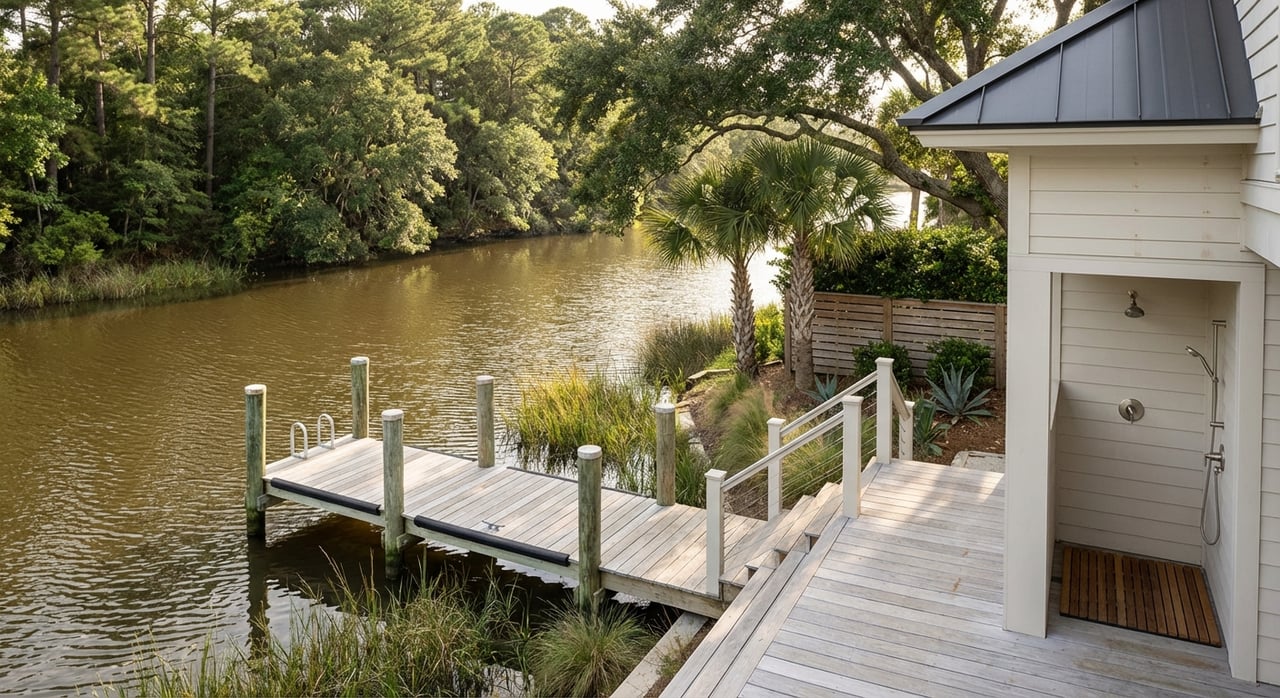
What It’s Like To Live In Wilmington NC
February 19, 2026
February 19, 2026
What if you could live in a true coastal city where the river meets the ocean, your commute is short, and weekends feel like vacation? If Wilmington is on your radar, you’re not alone. You want a clear picture of neighborhoods, lifestyle, and practical details before you make a move. In this guide, you’ll learn how daily life works here, where people live, how you’ll get around, and what to consider before you buy or invest. Let’s dive in.
Wilmington sits on the Cape Fear River with easy access to Wrightsville, Carolina, and Kure beaches. The city is about 125,000 people, and New Hanover County is about 243,000 based on recent census estimates. You can confirm population and commute stats in Census QuickFacts.
Commutes are generally short compared with larger metros. The mean travel time to work is about 18.5 minutes in Wilmington and about 20.5 minutes in New Hanover County, according to Census QuickFacts. Most people drive, while local transit supports select trips.
The climate is humid subtropical, which means mild winters and hot, humid summers. Outdoor living is common most of the year. You should plan for an Atlantic hurricane season that runs from June 1 through November 30. For climate norms, see the Wilmington climate averages. For a seasonal outlook context, read this Newsweek overview of the Atlantic season.
Wilmington offers distinct choices, from historic riverfront streets to island towns and suburban master-planned communities. Here is how locals often sort the options.
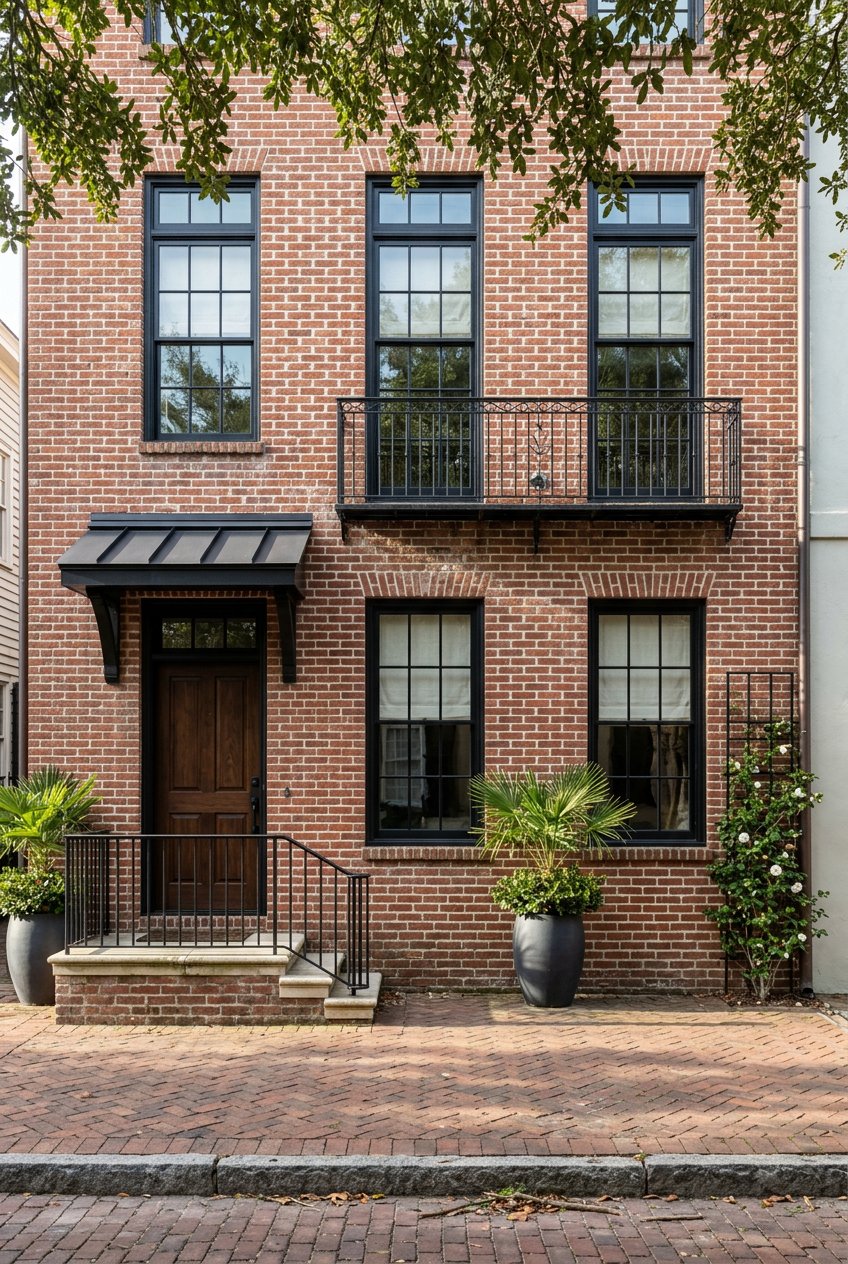
If you want walkability, scenic river views, and a lively dining scene, Downtown and the Historic District deliver. You’ll find restored historic homes, townhouses, and mid-rise condos near the Riverwalk. Many residents appreciate short drives to core job centers and the arts scene. Pricing sits below the most exclusive beach zip codes but can be higher than some inland areas due to the location and walkability.
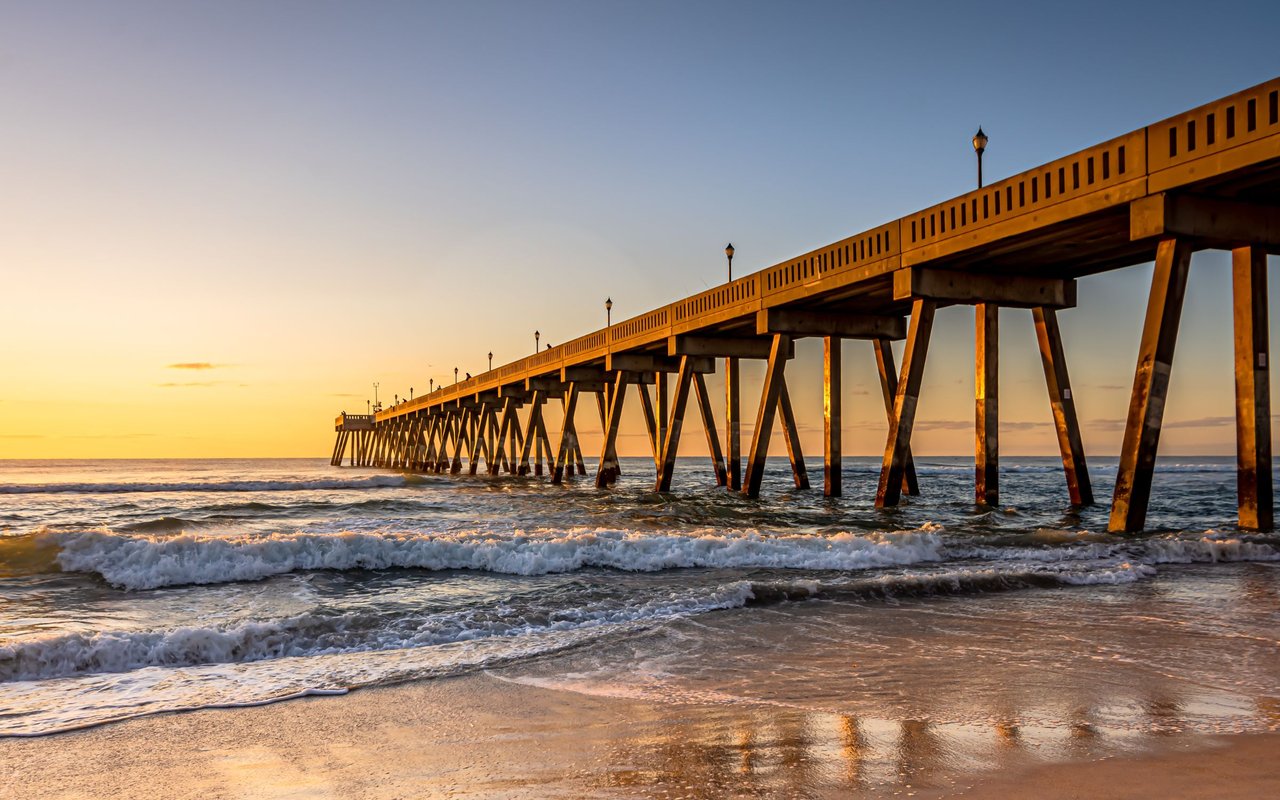
The beach towns are the area’s crown jewels. Wrightsville Beach is known for its high-end housing and strong demand. Carolina Beach and Kure Beach offer a broader mix of cottages, condos, and single-family homes with a classic boardwalk and seasonal energy. Short-term rentals are common, and seasonal demand is part of the market story. Explore the coastal vibe through Visit Wilmington’s guides.
Communities like RiverLights, Mayfaire-area neighborhoods, and Landfall offer newer construction, planned amenities, and lifestyle perks like pools, trails, and club or retail access. These attract a range of buyers, from growing households to downsizers and active adults who want HOA-maintained living and community programming.
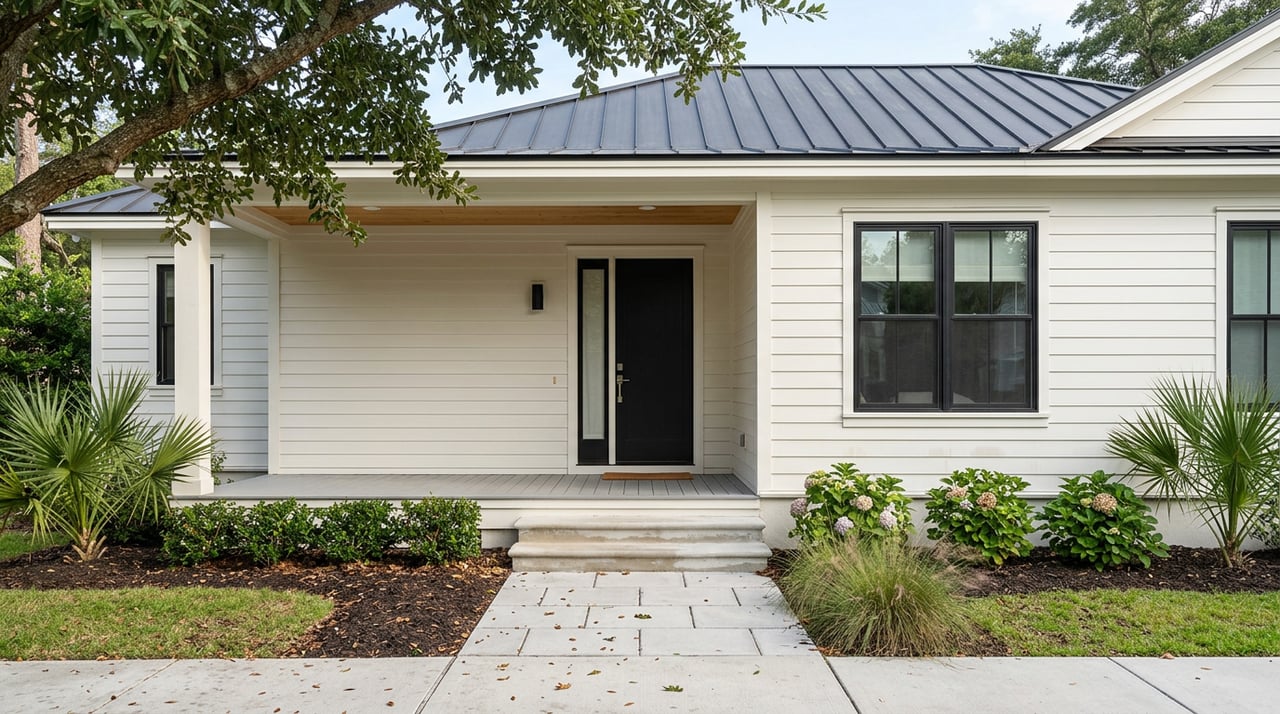
Areas such as Myrtle Grove, Ogden, Monkey Junction, Sunset Park, and Silver Lake tend to offer more approachable price points than the islands, with a mix of established subdivisions and in-town bungalows. Many buyers like the quick access to downtown and beaches while staying within budget.
Market snapshots as of early 2026 show Wilmington’s median sale price hovering in the mid 400s, with notable spreads by zip code and property type. Beach and island homes trade at a premium. Downtown walkable locations and gated amenities also command higher pricing. Inland neighborhoods often provide better value per square foot.
If you are financing, factor in HOA dues where applicable and insurance, especially flood coverage for low-lying or waterfront-adjacent properties. If you are investing, underwrite with seasonality and realistic operating costs rather than peak-season assumptions.
This is a driving-first region. Major routes include US 17 and the I 140 bypass that connects regional corridors. Many daily trips clock in well under half an hour, and the mean commute time in the city is about 18.5 minutes per Census QuickFacts. For an overview of the city’s geography and links, see Wilmington on Wikipedia.
Wave Transit runs fixed bus routes, a free downtown trolley, and RideMICRO zones that act like neighborhood shuttles. It is useful for students and residents without cars, though most households still drive. Transfer hubs include Forden Station and Padgett Station. Check routes and schedules at Wave Transit.
Wilmington International Airport (ILM) is close to town and has added new service in recent years, including Avelo’s nonstop routes. See route news from Avelo Airlines at ILM. The Port of Wilmington supports logistics and regional industry, which adds economic diversity.
Downtown’s Riverwalk and side streets offer independent restaurants, cafés, breweries, and seafood spots. Beach towns add seasonal stands and laid-back coastal fare. You can browse events and popular venues through Visit Wilmington’s things to do guide.
The cultural calendar is busy. Residents look forward to the North Carolina Azalea Festival each spring, which fills the streets with parades, gardens, and live entertainment. See a sample event listing at the Azalea Festival page. Late fall brings the independent film scene to town with the Cucalorus Film Festival. Outdoor concerts at Live Oak Bank Pavilion and seasonal boardwalk events at Carolina Beach round out the mix.
If you love the outdoors, Wilmington makes it easy. Wrightsville Beach, Carolina Beach, and Kure Beach are a short drive from most neighborhoods. Popular activities include surfing, paddleboarding, kayaks in the marsh, and fishing charters. Carolina Beach State Park offers trails, dunes, and a marina. Start your coastal checklist with Visit Wilmington’s beach overview.
Airlie Gardens is a favorite for year-round strolls, live oaks, and seasonal events. You can learn more about the grounds and heritage via the Airlie Gardens profile. In town, the Riverwalk and Greenfield Lake offer easy-access trails and views.
A quick note on seasonality. Summer and holiday weekends bring more visitors and heavier traffic near the beaches. Many locals plan beach trips early in the morning or late afternoon and enjoy quieter shoulder seasons in spring and fall.
University of North Carolina Wilmington is a major employer and cultural anchor with strong enrollment. It adds energy to the local scene and supports a steady rental market near campus. Read recent institutional highlights in the UNCW annual report. Cape Fear Community College also supports workforce and continuing education. For K 12 insights, review the most recent school performance reports from the North Carolina Department of Public Instruction and connect with New Hanover County Schools directly for current programs, calendars, and transportation.
Novant Health New Hanover Regional Medical Center is the primary regional hospital and a major employer. Recent expansions and specialty services are part of the system’s growth in coastal North Carolina. Explore regional context at Novant Health’s overview.
Safety conditions vary by neighborhood, and trends change over time. For a high-level context, review summaries available on Wilmington’s Wikipedia entry, then check live data from local law enforcement dashboards and the FBI Crime Data Explorer before you decide on a specific property.
Coastal living includes storm awareness. Review FEMA Flood Insurance Rate Maps, ask your insurer for quotes early in your search, and understand wind, hail, and flood coverage requirements for each home. The Atlantic hurricane season runs from June 1 through November 30. For a seasonal framing, see this Newsweek overview.
Property taxes are set by New Hanover County and the City of Wilmington. HOA dues vary by community. Your final monthly budget will also reflect utilities, waste collection, and any club or amenity fees. Build these into your comparisons early so you can evaluate true monthly costs across neighborhoods.
You deserve more than a quick search and a rushed tour. As a Wilmington agent with deep local ties and experience managing short-term rentals, I blend lifestyle insight with data so you can act with clarity. Whether you are relocating, upgrading near the beach, or exploring an investment, we will map your goals, budget, and timeline to the right properties and neighborhoods. When it is time to write or review terms, you will have a clear offer or pricing strategy, plus the local intel that gives you an edge.
Ready to take the next step? Schedule a Consultation with Maxx Jackson.
Stay up to date on the latest real estate trends.
Success isn’t a coincidence — it’s the result of doing things right from start to finish. Whether you’re buying, selling, or investing in Wilmington or Wrightsville Beach, Maxx offers a streamlined, results-driven experience that puts you first. This is real estate done right.